
What does Kama Sutra mean in English?
Most literally, it means aphorisms on desire or a guide to pleasure.
Kamasutra guide
Written by: Kamasutra Cute Editorial Team · Reference guide and editorial synthesis
Reviewed: Reviewed for language, history, and misconception-checking against cited sources
Updated: March 28, 2026
Kama Sutra in English most literally means “aphorisms on desire” or “a guide to pleasure.” Kama means desire, pleasure, or love. Sutra means thread, concise rule, or guide. The title refers to an ancient Sanskrit text about pleasure, relationships, courtship, and social life, not only sex positions.
That short definition is the part most people need first. The fuller answer is that the text is traditionally attributed to Vatsyayana, probably dates to the third or fourth century CE, and became famous in English-speaking culture after later translations reduced public attention to one narrow part of the work.
This page is built as a reference-first explanation. It answers the meaning immediately, then covers authorship, date, structure, positions, tantra, and why Western readers often misunderstand the book.

Quick glossary
Kama
Desire, pleasure, love.
Sutra
Thread, aphorism, concise guide.
Literal sense
Aphorisms on desire.
Best natural English meaning
A guide to pleasure and relationships.
Pronunciation
/ˌkɑːmə ˈsuːtrə/
Sanskrit
कामसूत्र
Common spellings
Kama Sutra, Kamasutra, Kama-sutra.
On this page
Top questions
Most literally, it means aphorisms on desire or a guide to pleasure.
The text is traditionally attributed to Vatsyayana Mallanaga.
Scholars usually place it around the third to fourth century CE.
No. Positions are only one part of a broader work on desire, courtship, and social life.
No. They are related in popular culture, but they are not the same text or tradition.
There is no one neat modern number everyone agrees on, because later lists and retellings count differently.
Section 1
Kama is the Sanskrit word for desire, pleasure, love, and sensual enjoyment. Sutra literally means thread, but in classical Indian literature it also means a brief rule, aphorism, or technical guide. Put together, Kama Sutra is best understood as a guide made of concise teachings about desire and pleasure.
That is why simple translations like "sex manual" are too narrow. They catch only the modern stereotype, not the full sense of the original title.
Section 2
The work is traditionally attributed to Vatsyayana Mallanaga. Very little is known about him as a historical person, which is why high-quality reference pages explain his role carefully instead of pretending we have a full biography.
What matters is that Vatsyayana presents the book as a synthesis and organization of earlier teachings. In other words, the Kama Sutra is better understood as a compiled classical treatise than as one man's private invention.
Section 3
Most scholarly summaries place the text somewhere around the third to fourth century CE in India. Exact dating is not perfectly settled, but the broad historical window is much more important than forcing a fake precision.
For search intent, the useful answer is simple: the Kama Sutra is an ancient Sanskrit text, not a modern lifestyle book that happened to become famous later.
Section 4
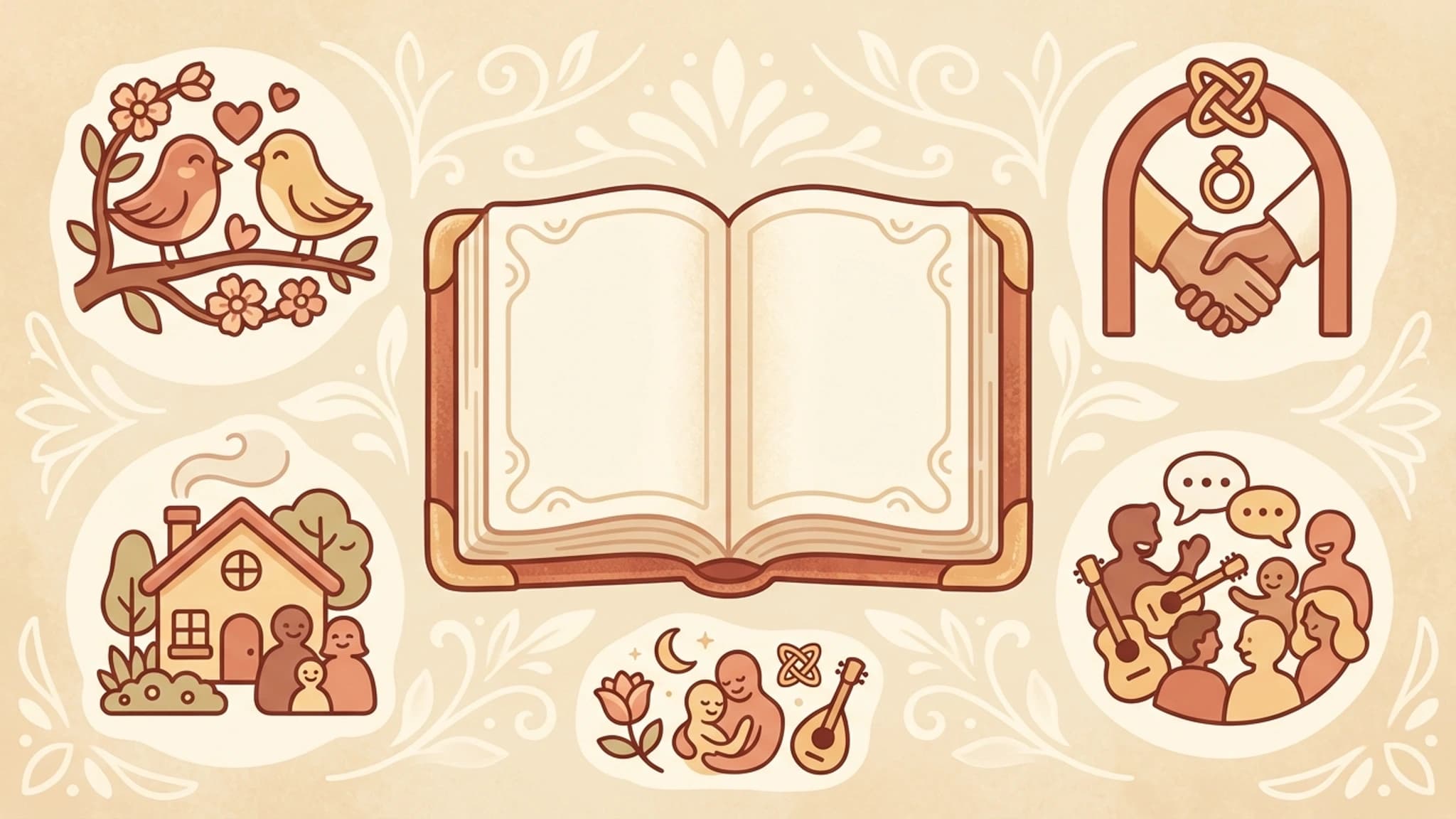
The Kama Sutra is not just a book about intercourse. It is a classical Sanskrit treatise on pleasure, relationships, and social life. It discusses attraction, partnership, marriage, adultery, courtesans, and the place of desire in a broader life framework.
That wider scope is why serious sources describe it as a work about the art of living with desire, not merely a catalog of techniques.
Section 5
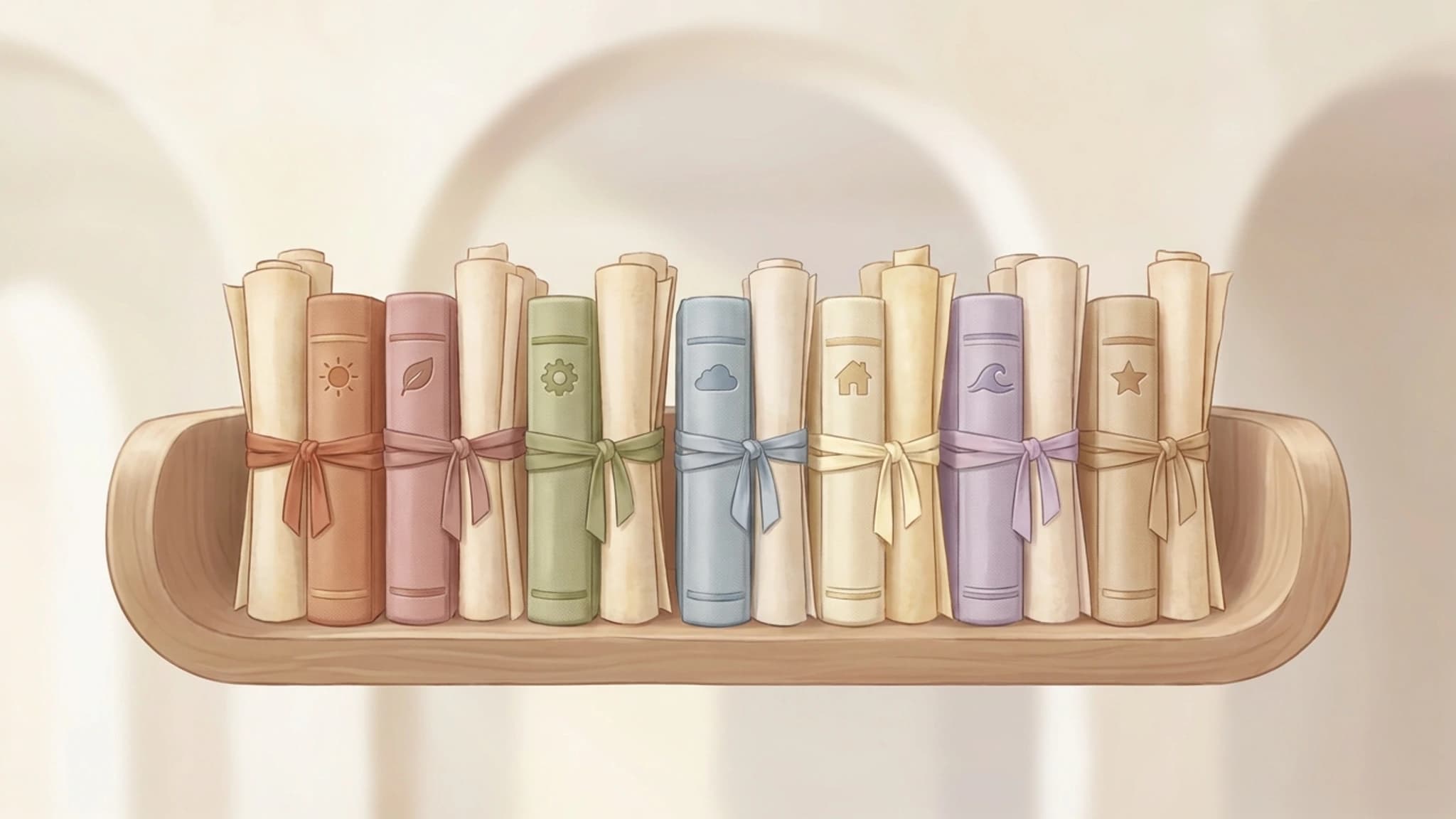
The text is divided into sections that move across courtship, union, marriage, extramarital relationships, courtesans, and practical social behavior. The famous chapter on sexual positions is only one part of that larger structure.
This matters because many readers arrive expecting one thing and miss the actual organization of the work. The SERP winners rank partly because they answer that structural question clearly and early.
Section 6
No. The positions material is the most famous modern takeaway, but it is not the whole book. The Kama Sutra became culturally flattened in English-speaking pop culture because illustrations and later retellings pulled attention toward the most sensational section.
Even the question "How many positions are in it?" is more complicated than people expect. Different modern lists count differently, and many popular lists go far beyond what the classical text itself presents.
Section 7
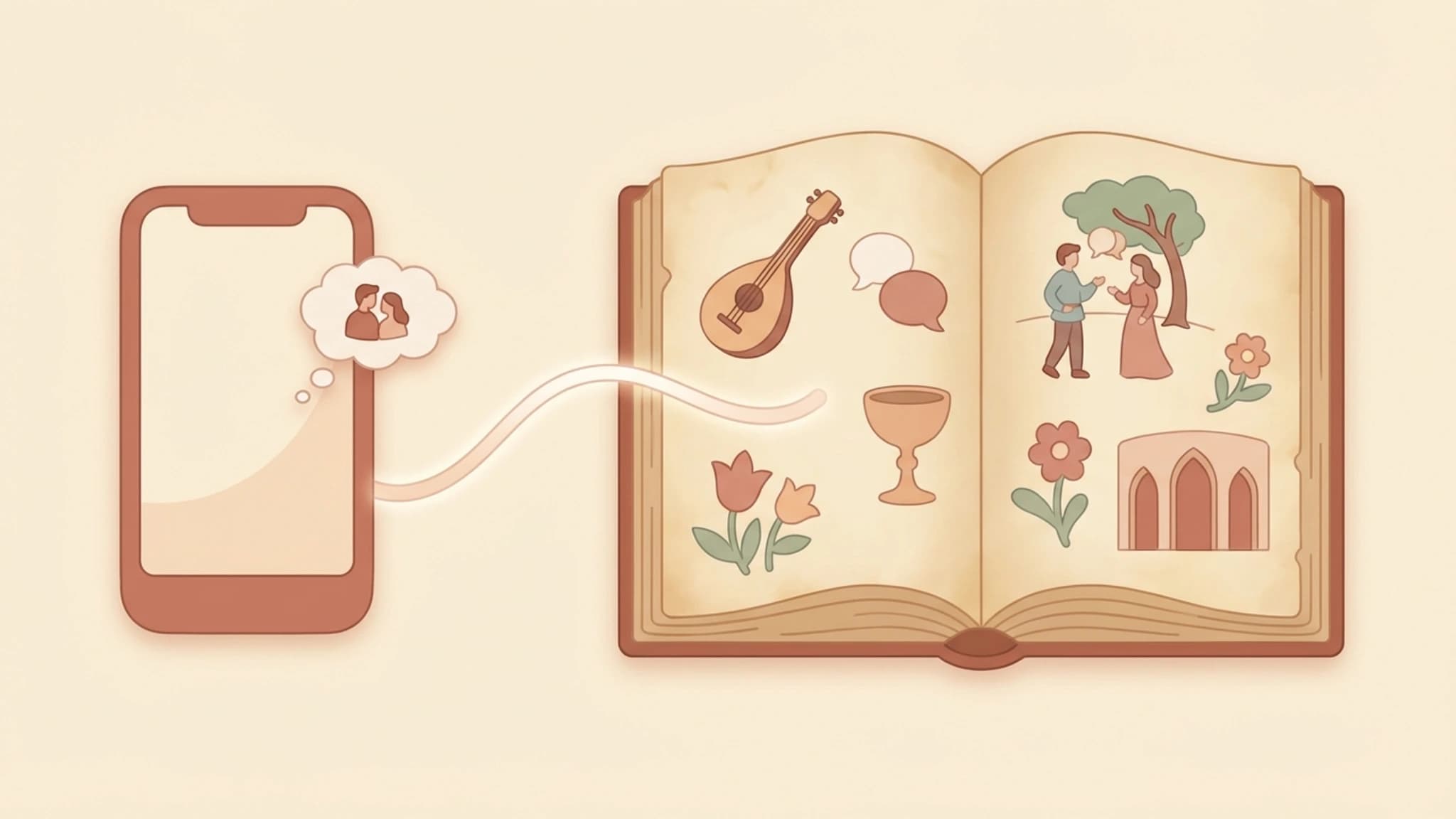
People often use Kama Sutra and tantra as if they were interchangeable. They are not. The Kama Sutra is a specific Sanskrit text, while tantra refers to a broader family of traditions and practices with different historical and philosophical contexts.
Putting them together can be convenient in modern wellness language, but it is not the most accurate way to explain either one.
Section 8
Much of the modern misunderstanding comes from translation history, packaging, and selective cultural memory. English-language popular culture often reduced the Kama Sutra to exotic positions, while the original text is much broader and more socially embedded.
That is why a reference-style page has to do two jobs at once: give the quick translation people searched for, and then correct the oversimplified version they probably already have in mind.
Closing Note
If you searched Kama Sutra meaning in English, the cleanest answer is this: it means aphorisms on desire or a guide to pleasure, and the text itself is a broader work on relationships and social life than the modern stereotype suggests.
If your next question is about actual named positions, use the couples guide and the position-names guide as follow-up resources rather than expecting this page to do every job at once.
Common Questions
Kama Sutra most literally means aphorisms on desire or a guide to pleasure. Kama means desire, pleasure, or love, while sutra means a thread, concise rule, or guide.
The text is traditionally attributed to Vatsyayana Mallanaga. He is usually understood as a compiler and organizer of earlier teachings rather than the inventor of every idea in the book.
Scholars usually place it around the third to fourth century CE, though exact dating is debated because the text grew out of older traditions and commentarial history.
No. The positions chapter is the part most modern readers recognize, but the work also discusses courtship, marriage, household life, desire, adultery, courtesans, and social conduct.
No. They are often blended together in modern pop culture, but Kama Sutra and tantric traditions come from different textual and historical contexts.
References
Next steps
Keep Reading
Jump into a few softer picks first, or skip straight to the hotter side of the archive.
Date Ideas
Shop The Mood
You've seen the guide. Here are a few pieces that make the whole thing feel more real.


