Kamasutra guide

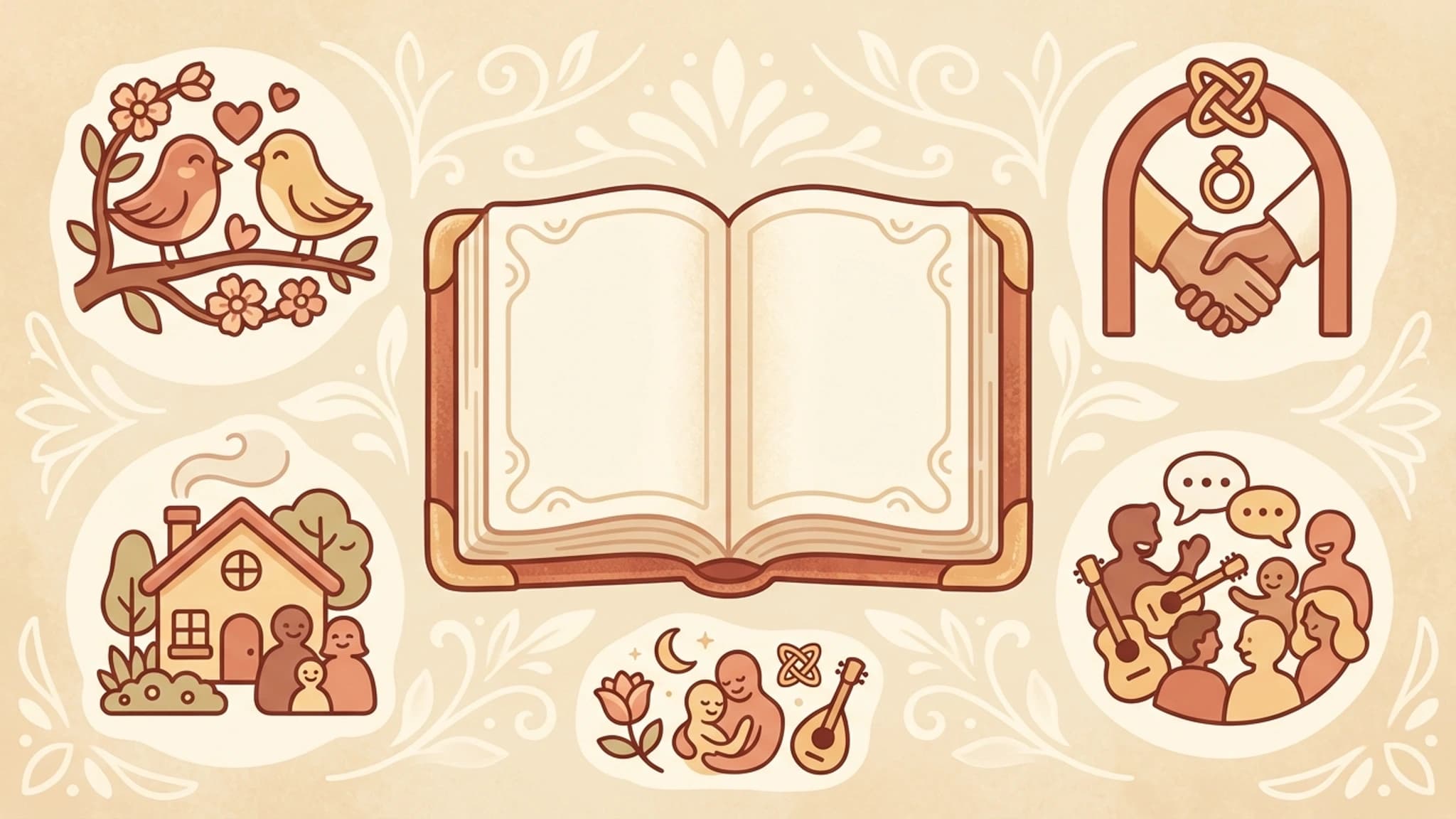
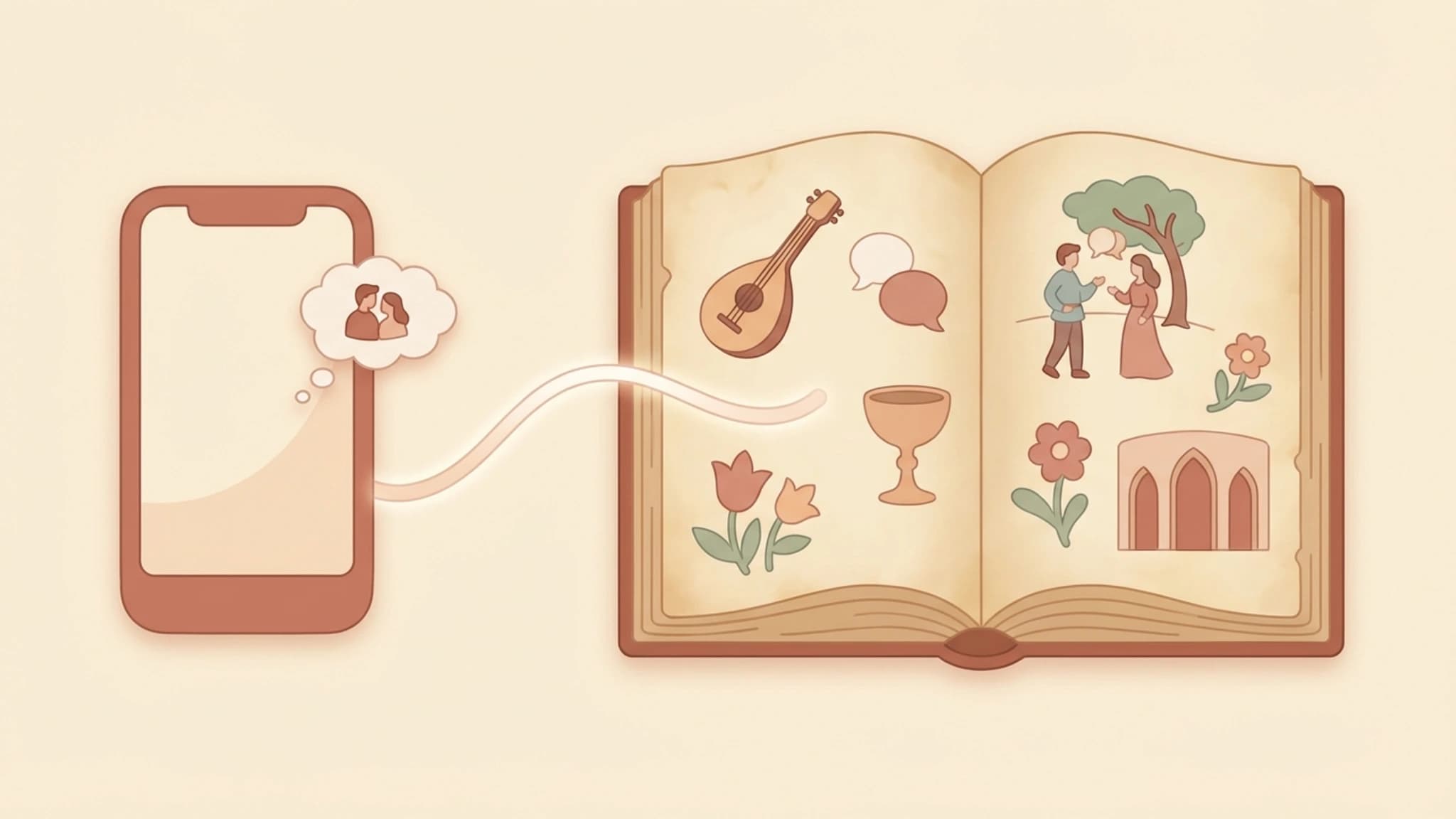
Cute editorial illustration showing kama as desire and sutra as a guiding thread

Kama Sutra Meaning in English

Short answer: Kama means desire, pleasure, or love, and Sutra means a thread, rule, or concise guide. So Kama Sutra is best understood in English as a guide to desire, pleasure, and relationships, not just a list of sex positions.

If you want the next two answers fast: the work is traditionally attributed to Vatsyayana Mallanaga, a compiler about whom very little is known, and the text itself is a Sanskrit treatise on pleasure and social life, not a modern sex manual. The positions are there, but they sit inside a much larger discussion of courtship, marriage, adultery, courtesans, and the place of pleasure in a well-lived life.

That is why a good answer cannot stop at the dictionary meaning. The useful version also explains who Vatsyayana was, how the text is organized, why English readers got such a narrow impression of it, and what still makes the book worth reading now.

Section 1

What Kama and Sutra Mean
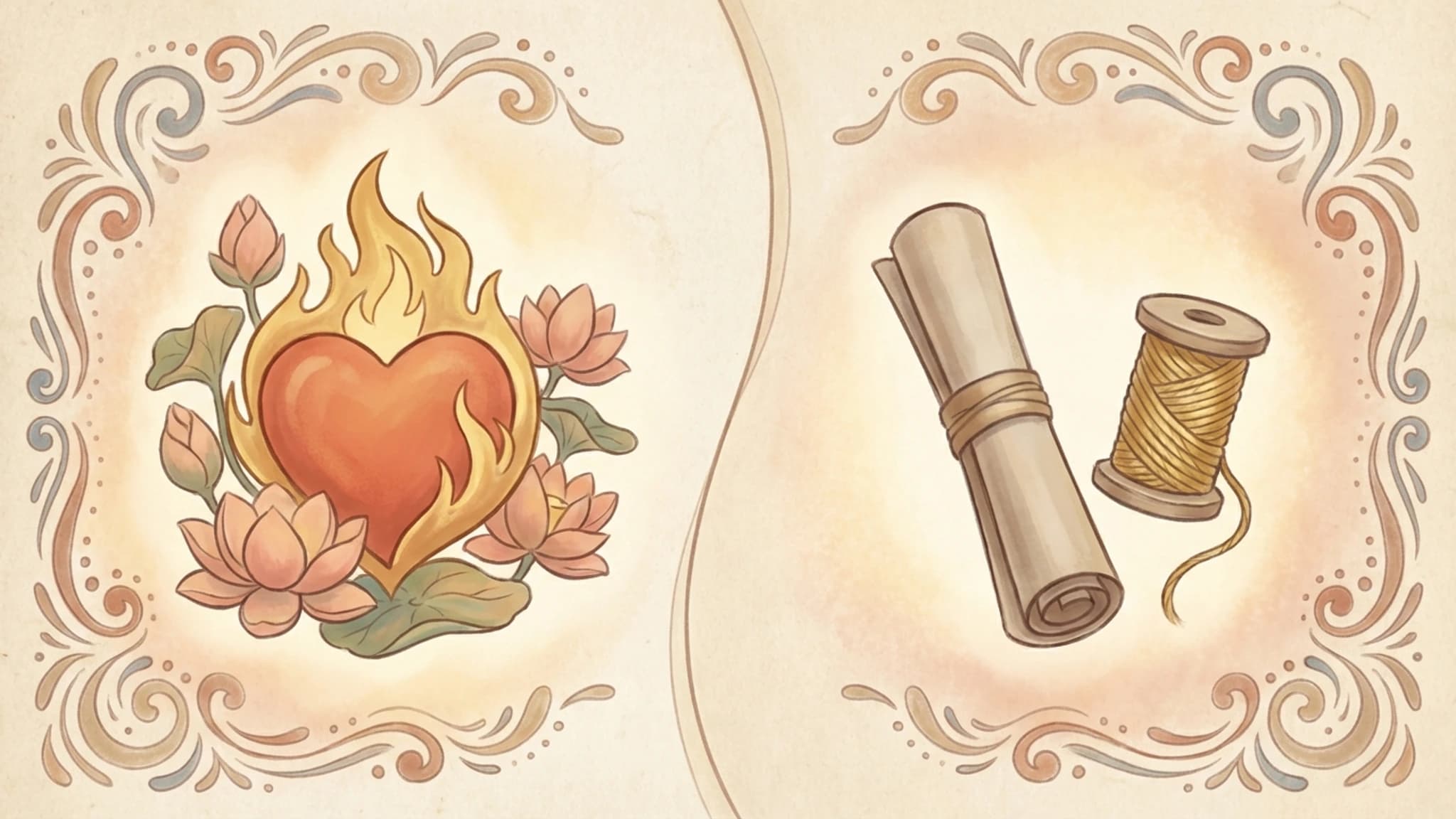
Cute glossary-style illustration contrasting kama as desire with sutra as a guiding thread
This image contrasts kama, meaning desire and pleasure, with sutra, meaning a thread or concise guide.

Kama in Sanskrit points to desire, pleasure, love, and enjoyment in a broad sense. Sutra usually means a thread, rule, or compact manual made of short guiding statements. Put together, the title suggests something like "aphorisms on desire" or "a guide to pleasure." That matters because there is no perfect one-word English translation. If you translate it only as a sex manual, you flatten a title that was meant to cover a wider idea of human pleasure, attraction, and social life.
Section 2

Who Vatsyayana Was

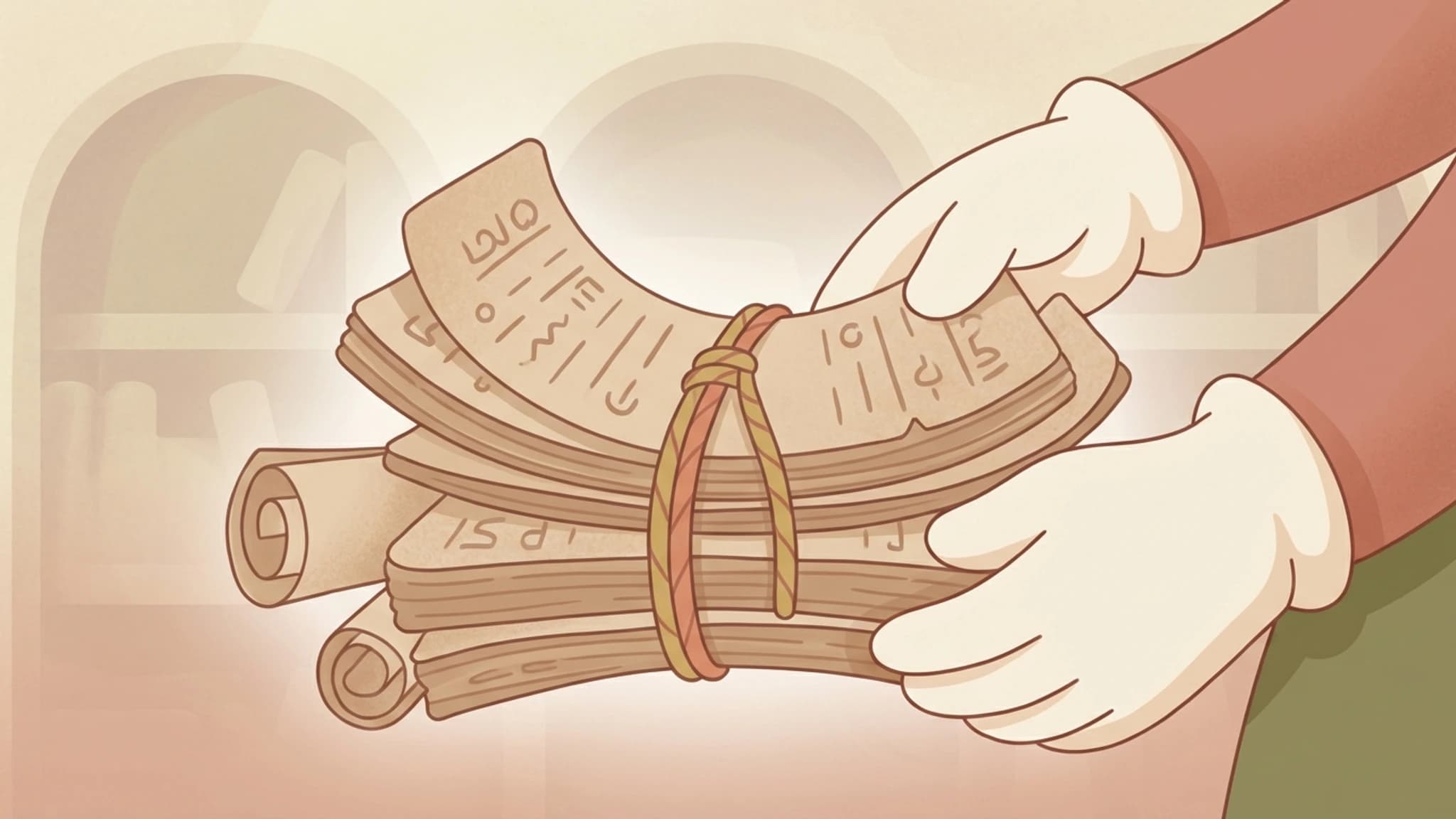
Cute editorial illustration of hands organizing older manuscripts into one compiled text
Rather than inventing every idea from scratch, Vatsyayana is best understood as a compiler who organized older teachings into one text.

Vatsyayana Mallanaga is the name traditionally attached to the text, but very little is known about him as a historical person. That is the first thing many articles skip. He is not someone we know in a biographical, modern-author sense. More importantly, he presents the work as a distillation of earlier teachings, not as a brand-new invention from one mind. So when people ask who wrote the Kama Sutra, the safest answer is: Vatsyayana compiled and organized an older tradition into the form we know now.

Curated Picks

A subtle shop detour

If this page put you in the mood, here are two soft, relevant products without turning the article into a sales wall.

Browse the full shop →

Section 3

What the Kama Sutra Actually Is

Cute infographic-style illustration showing the Kama Sutra covers courtship, marriage, social life, and only partly positions
The Kama Sutra is broader than a positions manual: it also deals with courtship, marriage, social life, and pleasure more generally.

The Kama Sutra is not mainly a book of positions. It belongs to a larger Indian tradition of texts that try to explain a subject systematically. Here the subject is kama, meaning pleasure and desire. That is why the work moves far beyond the bedroom. It talks about choosing partners, winning trust, marriage, power inside relationships, extramarital affairs, courtesans, and practical pleasure. Some parts feel historically distant or morally uncomfortable today, but the important point is that the book was written as a full treatise on pleasure and social conduct, not a novelty guide.

Section 4

How the Text Is Organized

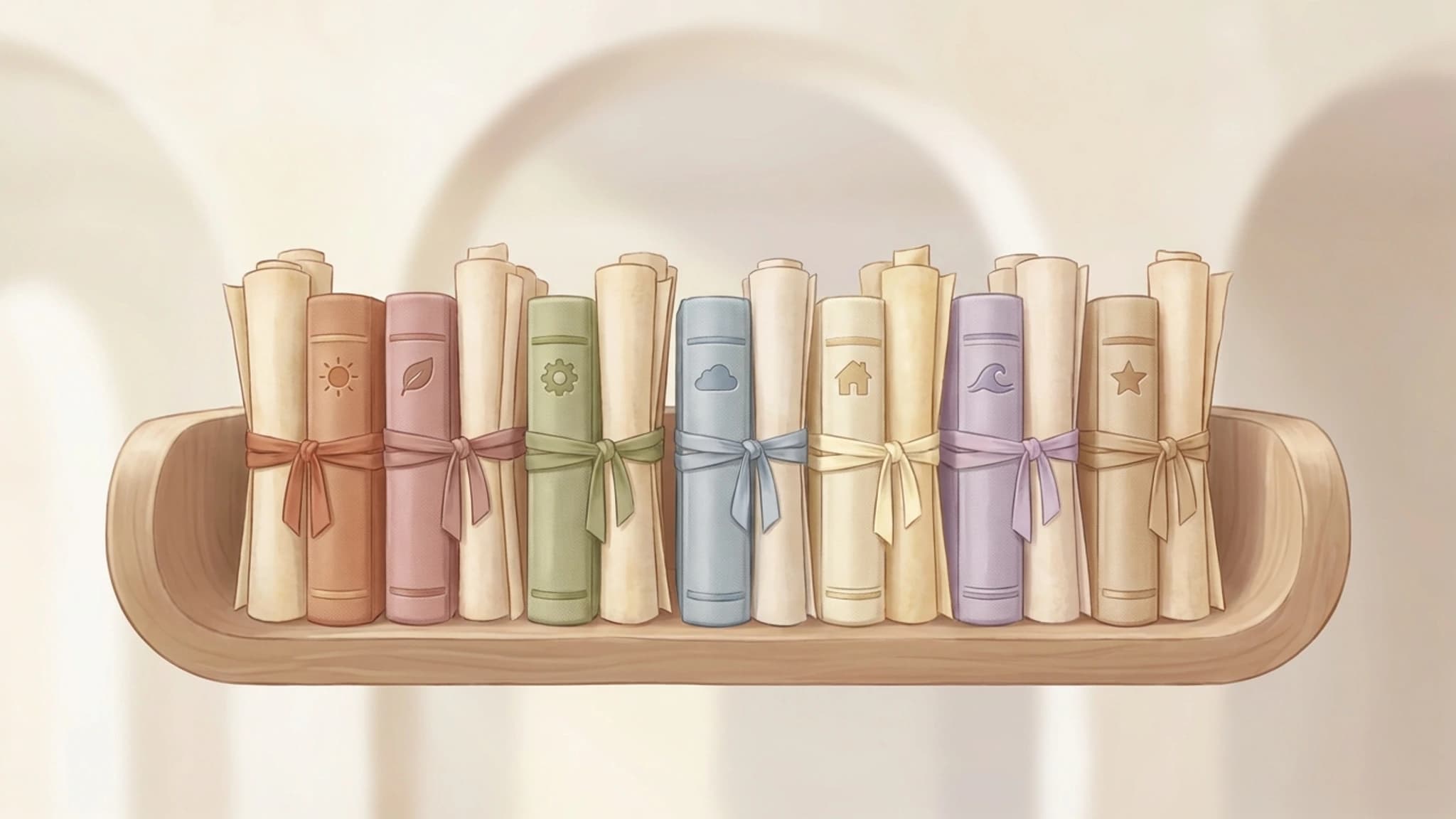
Cute seven-book visual showing the structured organization of the Kama Sutra
The text is organized into seven books, which is one reason it reads more like a structured treatise than a novelty guide.

The text is divided into seven books, and that structure tells you a lot about its real scope. Book I sets pleasure beside dharma and artha, the other major aims of life. Book II covers embraces, kisses, scratching, biting, quarrels, oral sex, and positions. Books III and IV move into courtship, marriage, and household life. Books V and VI deal with adultery and courtesans. Book VII turns to mixtures, stimulants, and other unusual techniques. Once you see that layout, it becomes obvious why reducing the whole text to positions is misleading.

Section 5

What the Famous Positions Chapter Really Means

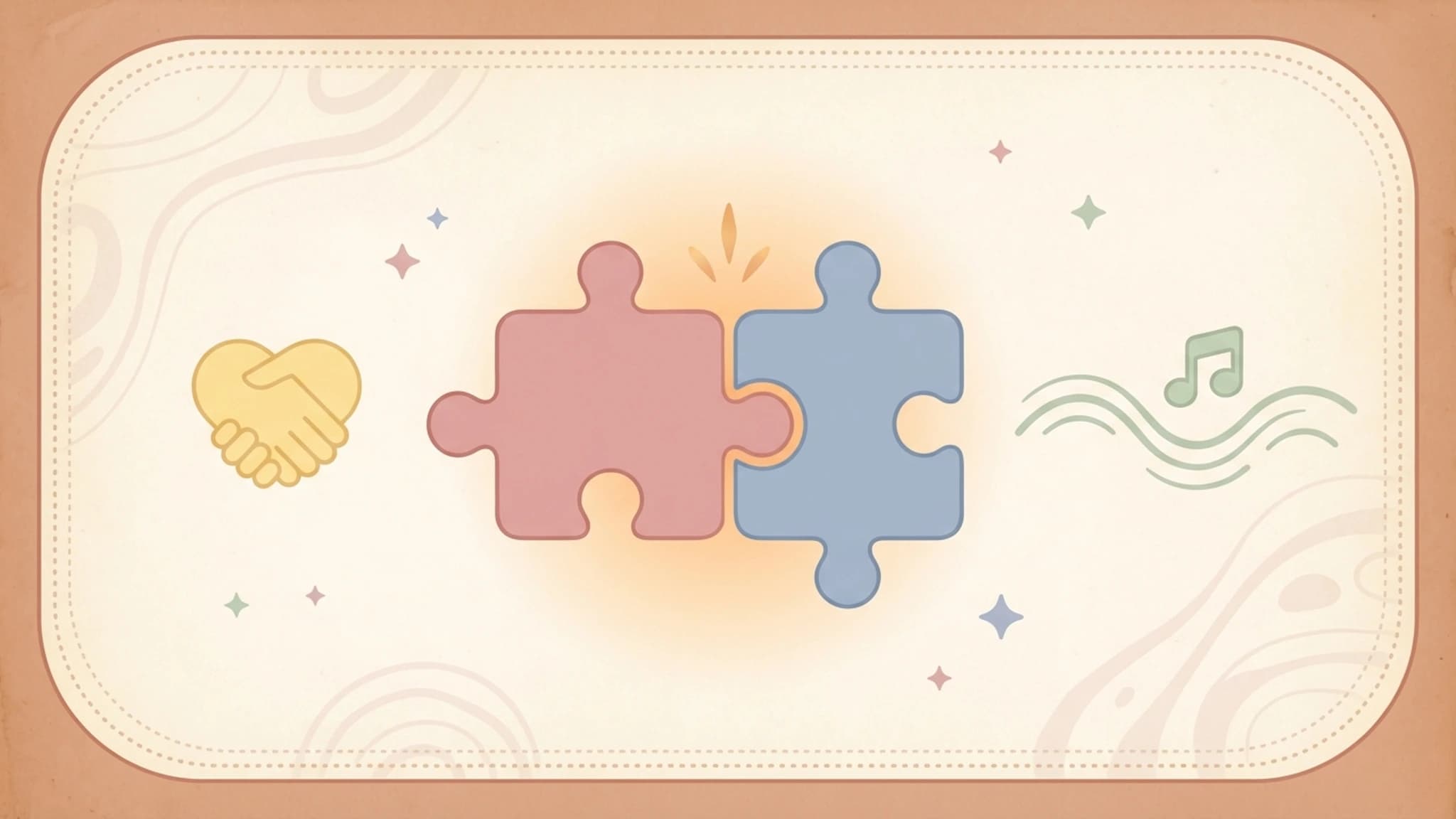
Cute compatibility illustration showing puzzle pieces, touch, and rhythm rather than explicit poses
The famous positions chapter is really about compatibility, rhythm, and mutual pleasure, not just memorizing poses.

Yes, the Kama Sutra does include positions. No, that is not the whole point of the chapter. Even Book II is broader than most people think. It discusses types of lovers, pace, temperaments, foreplay, argument, reconciliation, and ways different bodies may fit together. The famous positions come after a lot of attention to touching, kissing, mood, and compatibility. In other words, the sexual material is there, but it is presented as part of a wider theory of pleasure, not as a circus challenge or a list to complete one by one.

Section 6

How It Reached English Readers

Cute translation-history illustration showing a Sanskrit manuscript reaching English readers through Victorian-era study
English readers mostly inherited the text through late nineteenth-century translation, especially the 1883 Burton-linked edition.

The Kama Sutra reached a mass English-speaking audience through late 19th-century translation, especially the famous 1883 Burton-linked edition. That history matters because English readers often met the text through a Victorian filter that was both fascinated by and uneasy about sexuality. Later popular editions then kept narrowing attention to the most sensational parts. So when someone today searches "Kama Sutra meaning in English," they are often dealing with a second problem too: not only translating the Sanskrit title, but also undoing more than a century of selective English reception.

Section 7

Why So Many People Misunderstand It

Cute modern illustration showing pop-culture simplification overshadowing the real historical text
Modern pop culture reduced the Kama Sutra to a joke about positions, which hides the much broader purpose of the text.

The short answer is that the positions chapter escaped the rest of the book. In the modern West, magazines, websites, posters, apps, and joke references turned the Kama Sutra into shorthand for unusual sex positions. That is easy to market and easy to remember, but it is historically thin. It also encourages an Orientalist cliché: the idea that the text is mainly an exotic handbook of bedroom tricks from the East. The deeper reality is less flashy and more interesting. It is a learned, highly structured text about pleasure, status, relationships, and social strategy.

Section 8

What Is Worth Taking From It Today

Cute reflective illustration showing pleasure as one balanced part of a thoughtful life
A useful modern takeaway is that pleasure belongs inside a thoughtful, balanced view of life rather than outside it.

A modern reader does not need to agree with every value in the Kama Sutra to find it interesting or useful. Some parts are rooted in an elite male world and do not map neatly onto modern relationships. But the lasting insight is that pleasure was treated as something serious enough to think about carefully, not something trivial or shameful. The book also insists that sex makes more sense inside a broader conversation about timing, judgment, compatibility, power, and everyday life. That is a much better takeaway than treating it like a pile of poses.

Closing Note

The best quick answer is this: the Kama Sutra means more than people usually think, and the book itself covers more than people usually hear. If you understand the title, the role of Vatsyayana, and the seven-book structure, you are already much closer to what the text actually is.

Common Questions

What is the meaning of Kama Sutra in English?

Short answer: it means something like a guide, thread, or set of aphorisms about desire and pleasure. It is broader than sex positions alone.

Who wrote the Kama Sutra?

The text is traditionally attributed to Vatsyayana Mallanaga, probably around the third century CE. But very little is known about him, and the work presents itself as a compilation of earlier teachings, not a completely original invention.

Is the Kama Sutra only about sex positions?

No. The positions chapter is only one part of a much larger work about courtship, marriage, adultery, courtesans, household life, and the role of pleasure in a well-lived life.

Keep Reading

More ideas for tonight

Jump into a few softer picks first, or skip straight to the hotter side of the archive.